


Buying Clean / Green Boats
December 8, 2025 | John Garrett
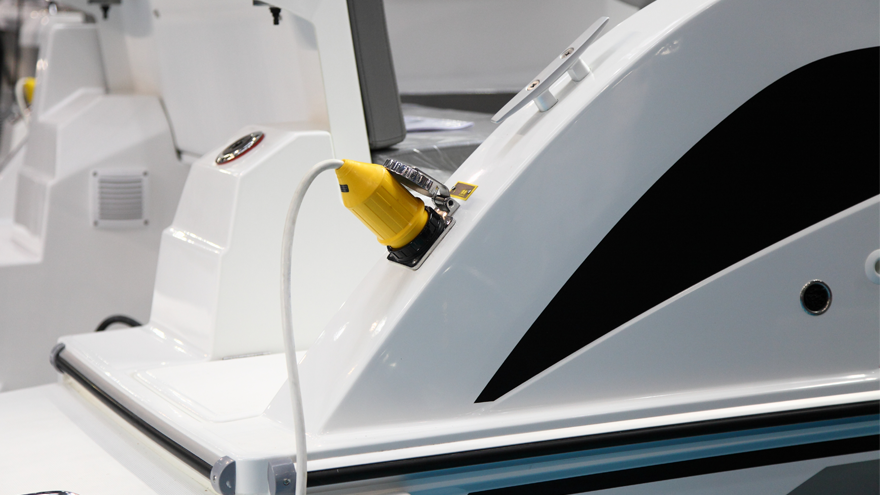
As environmental concerns grow, more boaters are seeking ways to enjoy the water without harming it. Traditional boats, with their gas-powered engines, toxic paints, and harsh cleaning products, can significantly impact marine ecosystems. Fortunately, green technologies are becoming increasingly accessible, offering sustainable alternatives for those looking to reduce their footprint. Making conscious decisions—from engine types to hull coatings—helps protect natural waterways while promoting innovation in marine design. This blog explores eco-friendly solutions for buying and maintaining a cleaner, greener boat.
- Electric outboard engines offer an eco-friendly alternative to traditional gas-powered motors for smaller boats, typically ranging from 5 to 50 horsepower. While the upfront cost of an electric outboard may be higher than a gas-powered counterpart, they tend to have lower long-term operating expenses. These engines run quietly, produce no emissions, and eliminate the risk of fuel spills. Most models rely on lithium batteries or can be recharged using solar panels. Companies such as Elco and Mercury Marine produce electric outboards, and hybrid-electric options for larger boats may also be emerging in the market.
- Designing boats with energy efficiency in mind helps minimize emissions and promote sustainable boating. Many modern boats utilize lightweight materials such as carbon fiber or Kevlar, along with eco-conscious construction and hull designs that enhance efficiency. For small recreational powerboats, a flat-bottom hull is ideal for quickly getting on plane and maintaining speed with minimal power in calm waters. In contrast, larger boats often feature stepped-hull designs, which improve performance and fuel efficiency at higher speeds in rougher conditions.
- Non-Toxic Boat Cleaning Solutions: Choosing non-toxic, biodegradable cleaning products is an effective way to reduce boating’s environmental impact. To prevent pollution, use these products in moderation and avoid letting wastewater flow directly into the water. Whenever possible, wash your boat in designated marine washdown areas or on grassy surfaces, which can help filter runoff before it reaches lakes or oceans. By adopting eco-friendly cleaning practices, boaters can help protect waterways while also saving money in the long run and ensuring a healthier environment for future generations.
- Safer Alternatives to Antifouling Bottom Paints: Newer anti-fouling paints offer an environmentally friendly alternative to traditional copper-based and biocide coatings, which are banned in some areas like Washington state. These innovative paints work by creating an ultra-smooth, non-stick surface that prevents algae and marine growth from adhering to the hull. When selecting bottom paint, it's important to consider both the compatibility with your boat’s hull material and the environmental impact on the waterways you frequent. Exploring sustainable anti-fouling options helps protect both your vessel and the marine ecosystem.
Conclusion
Embracing eco-friendly boating practices is essential for protecting our waterways and marine ecosystems. From energy-efficient boat designs and electric outboard engines to non-toxic cleaning products and safer anti-fouling paints, there are numerous ways to reduce environmental impact while enjoying time on the water. By choosing sustainable materials, minimizing pollution, and researching the best eco-conscious solutions for your vessel, you can help preserve marine environments for future generations while also benefiting from cost savings and improved boat performance.
Sources
Environmental Protection Agency. (2023). Clean boating practices. epa.gov
International Maritime Organization. (2023). Energy efficiency measures. imo.org
Ocean Conservancy. (2023). Green boating: Protecting the oceans with clean technology. oceanconservancy.org
Sailors for the Sea. (2023). Green boating guide. sailorsforthesea.org/programs/green-boating-guide
Washington State Department of Ecology. (2022). Safer alternatives to copper bottom paints. ecology.wa.gov


