


Wetlands, the Unsung Superhero
March 4, 2026 | Cassie Cramer
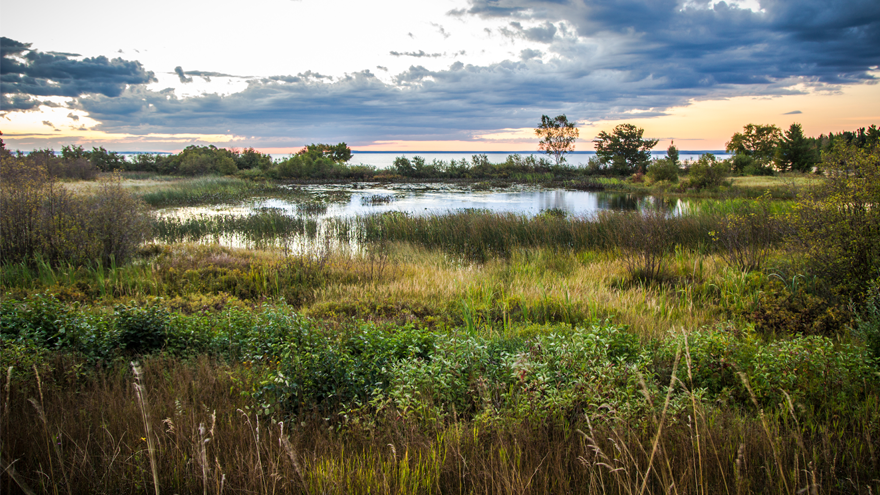
Wetlands encompass a peaceful and serene beauty, rivaled by few other natural environments. From bayous and estuaries to everglades and bogs, they are an unbelievably important ecosystem which provide countless ecological, economic, and social advantages. Deep in the swamps or in a marsh glade on the coast, you can find unique plant and animal species that are specially adapted to the waterlogged areas and cannot be found anywhere else. Untouched, wetlands are a place where nature operates at its finest and arguably holds an environmental impact unlike any other feature found across the globe.
Though many know these are biodiversity hotspots and love the cultural and recreational opportunities found within, the numerous additional benefits are often overlooked. For ecology alone, they provide an irreplaceable habitat for the continuation of the next generation of many forms of marine life and a safe haven for their young. In addition, wetlands offer countless means of protection for humans as well. With a deeper look into the importance of wetlands, you will find it is not just a place of splendor, but the unsung superhero for the world around us.
Biodiversity:
While many know wetlands contend for the title of “Highest Biodiversity,” few understand the actual reach this designation entails. Wetlands support an extensive variety of species, encompassing many that are endangered or endemic, serving as a habitat for numerous plants, animals, and microorganisms. They offer shelter, food, and breeding grounds for mammals, birds, amphibians, reptiles, fish, and invertebrates. Many creatures rely on wetlands for reproduction and as protected nurseries for their young. Wetlands often provide refuge for endangered and threatened species, offering the protected environments they need to survive or recover. The shallower waters provide safety from larger predators that do not typically inhabit the areas and offer a haven to their young. The unique environment provides a respite from the many dangers found in open waters. These habitats are also an imperative layover for migratory birds, providing them with food and rest during their long journeys. In addition, many species use these environments as transitional zones between terrestrial and aquatic habitats, creating vital ecological connections across landscapes.
Wetlands also support a range of specialized flora that are modified to waterlogged conditions. Their root structures and overall adaptations make them especially resilient in these environments. Many of these plants cannot be found in any other ecosystems, making wetlands especially important. Along with the plant life, wetlands are home to a diverse array of microorganisms that play pivotal roles in nutrient cycling, water purification, and maintaining overall ecosystem health.
Wetlands are resilient ecosystems (although not immune to destruction). They can act as refuges for species affected by habitat demolition in other areas, supporting biodiversity in changing environments. Without these plants, animals, and microorganisms, the ramifications could be dire. By protecting and restoring wetlands, we can maintain these biodiverse ecosystems and ensure not only the species themselves, but the survival of countless others that rely on them.
Water Filtration:
Wetlands act as nature’s filter, removing pollutants, sediments, and excess nutrients from water before entering other water sources. They play a crucial role in purification by naturally cleaning and improving the quality of water.
As water flows through wetlands, the vegetation and soil slow down its movement, allowing sediments, dirt, and other particles to settle at the bottom, preventing them from flowing directly into nearby rivers, and lakes. The physical barrier of the built-up matter (due to decaying materials and other sedimentation) along the bed slows percolation of potentially harmful materials into the groundwater. Some wetlands allow water to slowly percolate into underground aquifers, where it is naturally filtered through layers of soil and rock, contributing to the replenishment of clean groundwater supplies.
Wetlands also absorb excess nutrients like nitrogen and phosphorus, which are usually introduced through agricultural runoff or wastewater. These can be removed by plants which use them for growth, providing a much needed “use” for pollution that can otherwise lead to harmful algal blooms in other aquatic bodies. Wetland plants and soils can also absorb toxins, heavy metals, and other contaminants from water. In some cases, contaminants are stored in plant tissues, while others are broken down into less harmful substances through natural biological and chemical processes.
Microorganisms in wetland soils play a vital role in breaking down organic pollutants, chemicals, and even some heavy metals. Through processes like denitrification, microbes convert harmful nitrogen compounds into harmless nitrogen gas, releasing it into the atmosphere. Wetlands can also filter out harmful bacteria and viruses present in wastewater or stormwater runoff. Microbes and aquatic plants can remove pathogens, improving the water quality before it flows into other water systems. By performing these essential water filtration functions, wetlands protect downstream water sources, support aquatic life, and provide cleaner water for human use.
Flood Control:
By storing and absorbing excess rainwater, wetlands reduce the risk of flooding and minimize the impact of storms. Marshes, swamps, and floodplains are especially suited to act like sponges that absorb large amounts of precipitation during heavy rainfall or snowmelt. These ecosystems store water temporarily and then release it slowly, reducing the risk of flash floods downstream. The frequently dense vegetation helps to slow the movement of floodwaters, often reducing the velocity and preventing erosion, limiting damage to infrastructure and natural landscapes.
Floodplain wetlands provide space for rivers to overflow naturally. This reduces the pressure on riverbanks and helps to minimize damage to urban areas. Coastal wetlands act as buffers against surges. They absorb wave energy, protecting shoreline communities from flooding caused by hurricanes and storms. Additionally, wetland vegetation stabilizes soil, preventing erosion along riverbanks and shorelines. This helps maintain the landscape’s integrity, reducing further flood risks.
By temporarily holding water, these locals prevent water from overwhelming cities, roads, and farms. As wetlands allow water to gradually seep into the ground and replenishing underground aquifers, they help to reduce surface water levels, decreasing the intensity of floods. Overall, this vital ecosystem is an effective and natural way to manage floods and safeguard our communities.
Water Supply:
Wetlands play a vital role in supporting and maintaining the water supply.
By allowing water to slowly seep into the ground these systems have a multifaceted benefit. Not only do they provide protection from heavy rains and filter out impurities, but wetlands replenish underground aquifers while doing so. This process helps maintain groundwater levels, serving as a primary source of drinking water for many communities supported by the underlying source.
As we now know, wetlands act as natural reservoirs, storing water during periods of heavy rain and releasing it slowly during dry seasons. This helps sustain water supplies in surrounding areas, particularly in regions prone to drought. Additionally, as water passes through wetlands, plants and soil filter out pollutants, sediments, and excess nutrients. This natural filtration improves water quality before it reaches vital groundwater sources. In seaside regions, coastal wetlands prevent saltwater from infiltrating freshwater aquifers further protecting drinking water sources. This is particularly important in areas where rising sea levels and over-extraction of groundwater can lead to saltwater intrusion. Healthy wetlands also provide a sustainable water source for agricultural irrigation, livestock, and other water dependent industries. Their ability to purify water additionally reduces the need for expensive water treatment.
But the benefit to our water system doesn’t stop there. By releasing stored water slowly, wetlands help regulate streamflow, ensuring a consistent supply for downstream ecosystems and communities. This is key during dry periods when streams and rivers may otherwise run dry. By protecting these vital contributors, communities can ensure reliable and clean water supplies while benefiting from the many other environmental services these ecosystems provide.
Climate Regulation:
Although all previous topics covered are an integral part to our environment and sustainability, the wetland's impact on climate regulation is potentially the most prevalent. Wetlands play a critical role through numerous mechanisms that help mitigate the impacts of climate change. If lost, devastating ramifications would be unavoidable.
Wetlands act as a significant mitigator for greenhouse gases. They exist as a vital carbon sink and are responsible for a large portion of sequestration. By absorbing and storing large amounts of carbon, they prevent the release of CO2 into the atmosphere. Their soils (especially in peatlands) accumulate organic matter over time and the waterlogged conditions slow down the decomposition of plant material, trapping carbon for long periods. This makes wetlands one of the most efficient ecosystems for storage, helping to reduce the concentration of this particular greenhouse gas and combat global warming. Additionally, while wetlands can release methane (another greenhouse gas that is particularly potent), they also help regulate emissions by controlling the conditions under which it is produced. Wetlands serve as a buffer by controlling methane production through microbial activity in the soil, which can help limit the overall release of this gas into the atmosphere.
As already stated, wetlands absorb excess water during heavy rainfall, mitigating the risk of floods. Flooding can potentially be intensified by climate change, and wetlands help prevent the resulting destruction of ecosystems, infrastructure, and communities by absorbing and reducing the impact. We know wetlands protect coastal areas from surges acting as buffers by absorbing wave energy and protecting these areas from erosion, but tropical storms and hurricanes are becoming more severe due to rising sea levels and ocean temperature increases, further noting the need for these ecosystems. Furthermore, wetlands reduce the impact of rising sea levels in general caused by climate change by preventing shoreline erosion and protecting habitats (plant, animal, and human alike) from being submerged.
Wetlands also help maintain local and regional hydrological cycles by storing and gradually releasing water into rivers, lakes, and groundwater. Although this (again) seems redundant, the climatological impacts are imperative. This helps regulate water availability, which can be impacted by changing weather patterns. By maintaining consistent water flow, wetlands help reduce the risk of droughts in some regions while simultaneously preventing flooding in others.
Wetlands also have an impact on local and global temperatures. These ecosystems (particularly coastal wetlands) help regulate local microclimates. They cool the surrounding environment through evapotranspiration. Moreover, the dense vegetation in wetlands can reduce the urban heat island effect, counteracting a phenomenon where urban areas experience higher temperatures due to light-absorbent surfaces produced by human influences. Other wetlands (specifically those in colder regions) can improve the reflectivity of the Earth's surface (an albedo effect). Those with ice cover or snow reflect sunlight, helping to reduce the overall warming of the planet. This function is particularly important in the Arctic, where the loss of wetlands can exacerbate the impacts of climate change.
By storing carbon, regulating water flows, protecting against extreme weather events, and mitigating temperature increases, wetlands are a crucial part of climate change mitigation strategies. Their conservation and restoration are key to enhancing the planet's resilience.
Dangers:
While wetlands are resilient and offer fortification from many of the anthropogenic problems humans cause, they are not indestructible. While (in many cases) they tend to rebound, these ecosystems are actually quite delicate and can often be affected by the same issues they protect us from. They face a variety of threats that can damage their ecological balance, functions, and biodiversity.
Wetlands are often drained or filled in to make way for agricultural expansion, construction, and urban development. Excessive water extraction for irrigation, industrial use, or other needs can reduce water levels in wetlands, leading to habitat degradation, loss of biodiversity, and diminished benefits. Similarly, deforestation of wetland forests reduces habitat for wildlife and increases vulnerability to storms and flooding. Municipalities and agricultural practices expanding into wetland areas often result in their destruction. Overgrazing by livestock in wetland areas can also damage the vegetation, compress the soil, and contribute to erosion. Additionally, the construction of dams and reservoirs can change the flow of water into wetlands, reducing their water supply and altering their ecological functions. The diversion of rivers, streams, or groundwater away from wetlands can lead to a lack of water in these ecosystems, causing them to dry out.
While wetlands can mitigate some of the agricultural runoff and other pollutants, it can only take so much. Pesticides, fertilizers, and other chemicals can contaminate wetlands, damaging aquatic life and disrupting the delicate balance of the ecosystems. High concentrations of nutrients (fertilizers) or sewage can lead to eutrophication within the wetland's ecosystem. The very problem that wetlands protect other water bodies from can be detrimental within this environment. When excessive algae growth depletes oxygen in the water, it can lead to dead zones that can be devastating to aquatic life, disrupting the entire food chain, decreasing biodiversity, and altering ecosystem functions. Wastewater and industrial expulsions can degrade wetland water quality, leading to the accumulation of toxins, heavy metals, and other pollutants (too much for the system to handle) that harm both the ecosystem and human health. Coastal wetlands are particularly vulnerable to oil spills, which can cause long-term damage.
Although a power player for climate change mitigation, wetlands are not immune to the repercussions. Coastal wetlands are vulnerable to rising sea levels. These can inundate the regions and lead to the loss of habitat for many species. Also, saltwater intrusion into freshwater wetlands can change their structure and function. Fluctuations in temperature and precipitation patterns can alter the delicate balance of these ecosystems, making them more susceptible to invasive species and disease. These non-native species introduced to wetlands can outcompete native plants and animals, disrupting the ecosystem’s balance. They can also alter wetland hydrology, nutrient cycling, and vegetation, often leading to additional reduced biodiversity.
Be a Hero to Our Hero
While wetlands provide numerous benefits and protect all animals (humans included), they are not without their vulnerabilities. It is our responsibility to help these ecological superheroes in any way we can. Conserving wetlands requires a coordinated effort on all fronts. By reducing pollution, preventing unsustainable development, restoring degraded wetlands, and addressing the impacts of climate change, we can be the hero this ecological system needs us to be. Legal protections and policies, along with community-based conservation initiatives, are essential for safeguarding these critical ecosystems. Together, we can save this hero and allow it to continue to save us.
If you would like more information on the importance of wetlands, check out these sources listed in the links below.
- U.S. Environmental Protection Agency (US EPA)
- Ramsar Convention on Wetlands
- NOAA Fisheries
- Washington State Department of Ecology
- Department of Climate Change, Energy, the Environment and Water (DCCEEW), Australia
- Ontario Nature
- Vermont Department of Environmental Conservation
- Tinkers Creek Watershed Partners
- Tulane University News
- International Institute for Sustainable Development (IISD):
- U.S. Geological Survey (USGS):
- U.S. National Park Service (NPS.gov)
- Maryland Department of the Environment
- ScienceDirect
- World Wetlands Trust (WWT)


