


Sandra Whitehead: From Applied Anthropology to National Environmental Policy Impact
January 16, 2026 | By River Fundock, Student Intern, Department of Communication | Edited by Karen Tibbals, CASSH Communications Coordinator
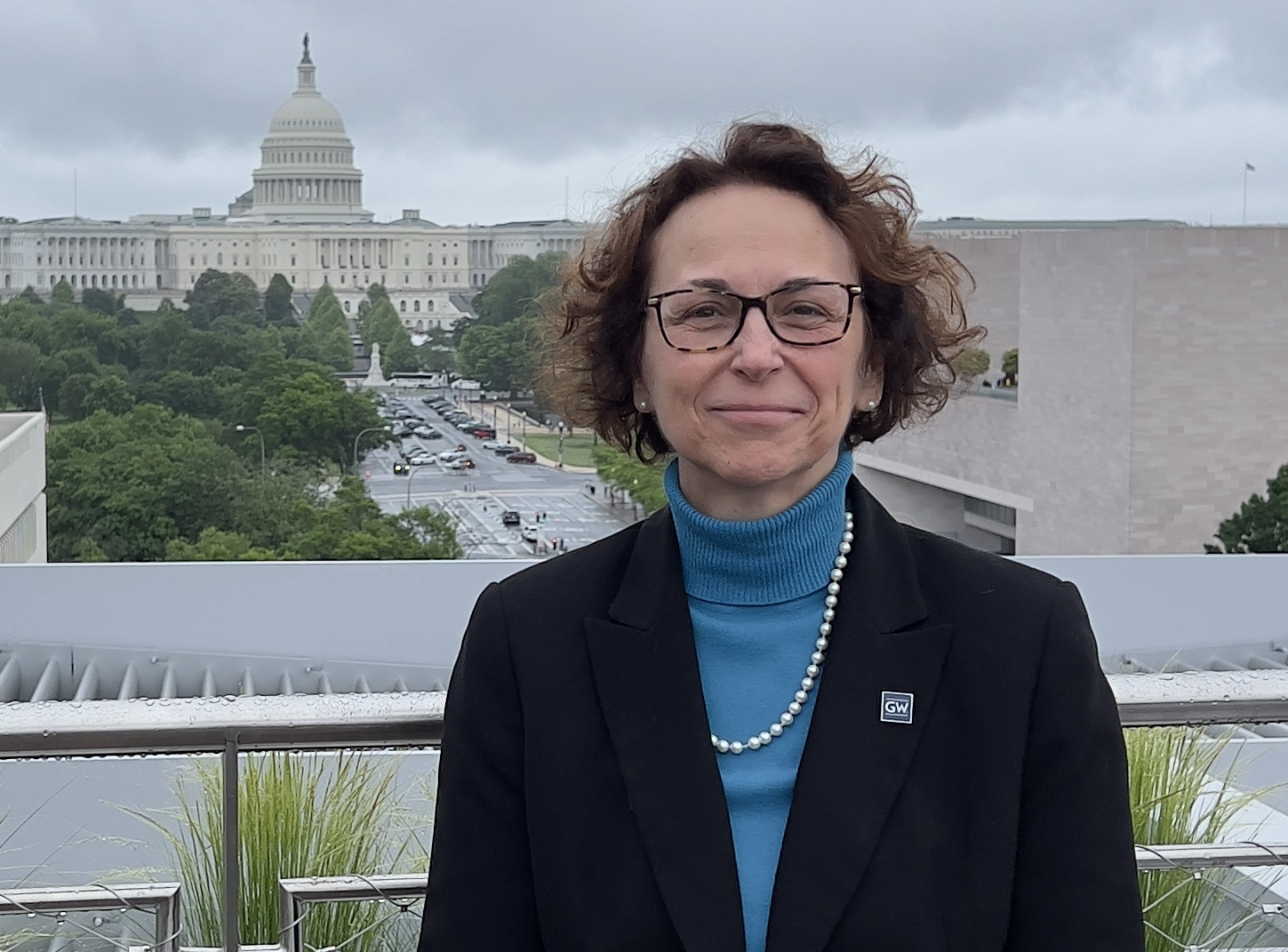
Dr. Sandra Whitehead, a professor of urban planning at George Washington University, traces many of the skills she uses today, advising the U.S. Environmental Protection Agency (EPA) and shaping national environmental justice policy, back to her time as a student in the University of West Florida’s College of Arts, Social Sciences, and Humanities (CASSH).
Whitehead graduated from UWF in 1988 with an undergraduate degree in Applied Anthropology with an emphasis on semiotics. She was a member of UWF’s second freshman class and a first-generation college graduate. When she first arrived on campus, she was unsure of her academic direction until taking a course with retired faculty member Dr. Terry Prewitt. That class helped her see how language and meaning could be used to understand culture, particularly within her own family and hometown during a time of deep division following a violent attack on a Pensacola medical clinic.
Cultural anthropology has been useful as I have navigated my career and professional relationships. Understanding the context of organizations, interrelated groups and people has been key to moving across organizations and sectors. - Dr. Sandra Whitehead
As a commuter student who worked full-time, Whitehead initially struggled to feel connected to campus life. That changed when she became involved in student government. “As a commuter student working full-time, I found it challenging to feel integrated into student life before joining SGA,” she said. “Through my involvement, I developed leadership, organizational, and time management skills that I continue to utilize in my professional life today.” Balancing work, coursework, and extracurricular responsibilities required strong goal setting, prioritization, and curiosity, skills that became foundational throughout her career.
During her time at UWF, Whitehead also learned culturally appropriate interviewing techniques that emphasized trust, active listening, and attention to nuance. These skills remain central to her work today, which involves gathering and interpreting community lived experience to inform policy decisions. She frequently applies her anthropology training when working with organizations seeking to change how they operate, helping assess partnerships, create shared language, and improve efficiency.
Whitehead credits UWF with fostering both her intellectual curiosity and her broader worldview. Although not part of her major, an ecology course she took during her freshman year had a lasting impact. The class illuminated the ways human actions affect ecosystems and helped her realize that her career would focus on understanding the impacts of policies before they are enacted. This insight ultimately led her to local government planning and later to a national focus on assessing and mitigating the human health impacts of policies, practices, and programs.
The mentorship Whitehead received at UWF was also instrumental in her success. She credits both Dr. Terry Prewitt and retired Vice President for Student Affairs Linda Dye for guiding her through the academic and administrative complexities of college as a first-generation student.
The mentorship of Drs. Terry Prewitt and Linda Dye were key to my ability to graduate. Each of them spent time with me beyond being my advisor and SGA advisor, explaining the administrative and academic side of college to me as a first-generation student. Their guidance and caring are the templates I use in advising my graduate students. - - Dr. Sandra Whitehead
Today, Whitehead is a nationally recognized expert on cumulative impact assessment. She has contributed to the White House Office of Science and Technology Policy’s Environmental Justice Science, Data and Research Plan and continues to advise the EPA through her work with the National Environmental Justice Advisory Council.
When asked what advice she would give to current and prospective CASSH students, Whitehead emphasized exploration and curiosity. “Choose to expand your comfort zone and branch out,” she said. “This is one of the few times in your life that you will have the chance to learn for the joy of it.”


