


Police
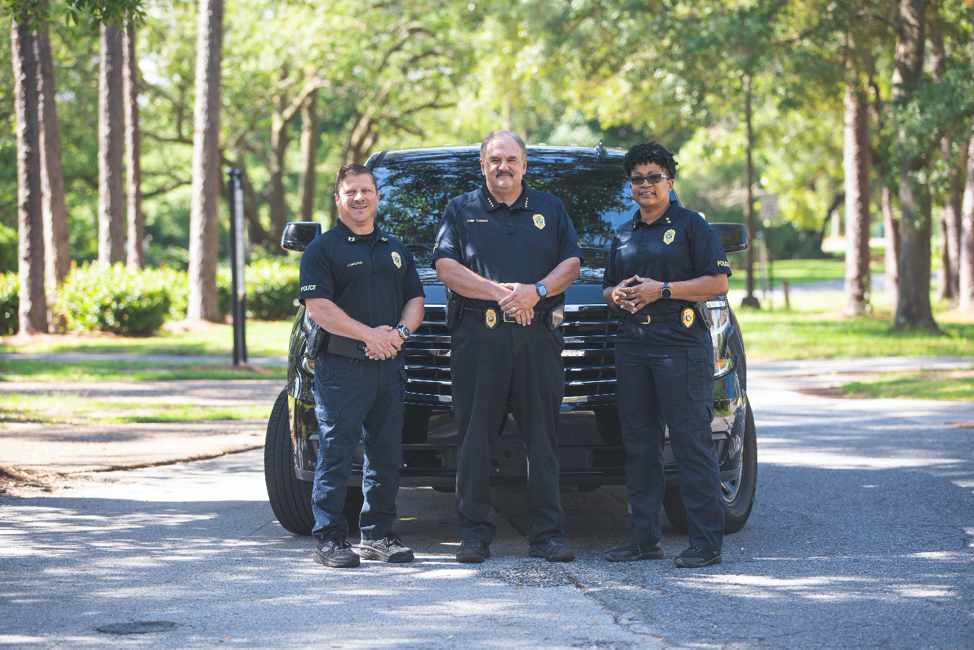
The University of West Florida Police Department's role is to advance UWF's mission, vision, and priorities by providing a safe environment through professional service to the community. We will meet the challenge of providing these services by basing our thoughts and actions on shared values.
Let's Fight Crime Together
Welcome to the University of West Florida. Because university campuses are reflective of the communities they serve, they are not immune to societal problems that may foster an atmosphere conducive to crime. The University has taken specific measures to ensure that you enjoy the safest possible living and learning environment. We encourage you to take an active role in making the University community safe.
Safety programs and mechanical alarm systems cannot be fully effective against crime without the cooperation of the citizens they are designed to protect. Alertness, common-sense precautions, and concern for fellow students, faculty, and employees are keys to preventing crime and helping us ensure that experiences at UWF are positive and enjoyable.
Preventing or reducing crime in any community is a tough job, but it can be done. Working together, we can make a difference. I encourage you to be pro-active in the fight against crime. Please do not hesitate to request our services. We are committed to the highest level of service to our community.
Marc Cossich, Chief of UWF Police
Employees with specific questions or concerns about emergency management at the university can contact the Emergency Management Director Douglas Hirsch at dhirsch@uwf.edu or by calling 850.474.2182. For information regarding pandemic planning, please view our Pandemic Planning Resources (link).

Hurricane and Tropical Storm Preparedness
UWF is an official Storm Ready University and has plans in place to protect the University Community, minimize damage to UWF facilities and expedite recovery to bring the campus back to operational status as quickly as possible. Doug Hirsch is the Emergency Manager. For complete information, visit the Emergency Management Hurricane and Tropical Storm Preparedness page.
UWF Guardian App Transcript (8/29/19)
Marc Cossich, Chief of Police, standing outside on UWF Pensacola campus.
“Hello, I’m Marc Cossich. I’m the chief of Police at UWF. Our primary mission is to keep you safe from harm. With the UWF Guardian app, you can get help at a moment’s notice. If you’re ever in danger, or in need of assistance, press “UWF Police” to call and share your location with officers. You can also set a timer and share your location with friends, family, or campus police. If the timer runs out, it will automatically contact the people you select. And if you see something suspicious, you can leave us an anonymous tip anytime. Remember: We’re here to help. Learn more at uwf.edu/guardian.”
