UWF Division I
Built for What’s Next
The University of West Florida is taking a defining step in our institutional evolution as we move to NCAA Division I athletics. This decision reflects who we've become and the trajectory we're on: a University experiencing unprecedented momentum across enrollment, research, academic quality, regional impact and athletic excellence.
Division I athletics amplifies everything UWF already does exceptionally well. Our students will compete on the national stage while continuing to receive the personalized, faculty-taught education that sets us apart. Proven research shows strong athletic programs increase applications, elevate institutional visibility, and attract high-achieving students drawn to campus energy and spirit.
Beginning in Fall 2026, UWF will compete in the Atlantic Sun Conference as a full multi-sport member and the United Athletic Conference as a football-playing member. This move is about more than athletics. It's about amplifying the complete college experience for our students, strengthening community partnerships, and positioning Northwest Florida as a destination for top talent. Our new stadium, Division I competition and enhanced campus culture create the foundation for continued growth while preserving the authentic relationships and rigorous academics that define UWF.
Moving to Division I is more than an athletics milestone — it is an investment in the future of the University. Division I competition increases the University’s national visibility, strengthens student recruitment, and deepens engagement with alumni, donors, and corporate partners. Universities that compete at the Division I level often experience growth in enrollment, philanthropic support, and community pride. By supporting this transition, donors are helping position UWF for long-term success while creating new opportunities for our student-athletes and the entire Argonaut community.
This is UWF's moment. We're not just moving divisions – we're claiming our place.
Message from the President
Our transition to Division I marks a historic step forward for UWF and reflects the momentum, ambition and excellence that define our community. This milestone is about more than athletics — it represents expanded opportunities for our students, greater national visibility, and a continued commitment to providing an outstanding educational experience. I am proud of the work that has brought us to this moment and excited for the future we are building together.

Manny Diaz Jr.
Message from the Athletic Director
This transition represents the next chapter in the evolution of our athletics program and a testament to the dedication of our student-athletes, coaches, staff and supporters. As we prepare for Division I competition, we remain focused on building champions for life. We look forward to growing our tradition of success and welcoming our fans and partners to be part of this exciting journey.

David L. Scott
Timeline
From the official announcement and conference integration to the launch of Division I competition and the opening of new athletics facilities, each step represents our continued momentum and commitment to excellence.
-
April 2026
DI approval and announcement
-
Spring 2026
Final DII competition season
-
Fall 2026
First full DI competition season
-
Fall 2027
Darrell Gooden Stadium opens
-
Fall 2029
NCAA DI transition complete
Show Support
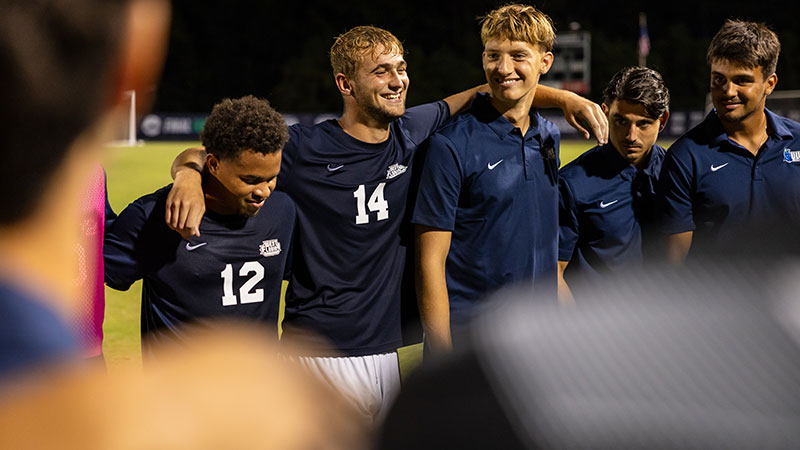
The Division I transition is a bold investment in UWF’s future, and it’s made possible by those who believe in what the Argonauts can achieve. Your support helps fuel scholarships, facilities and opportunities that elevate our student-athletes, our campus and our entire region.
Join the Teams
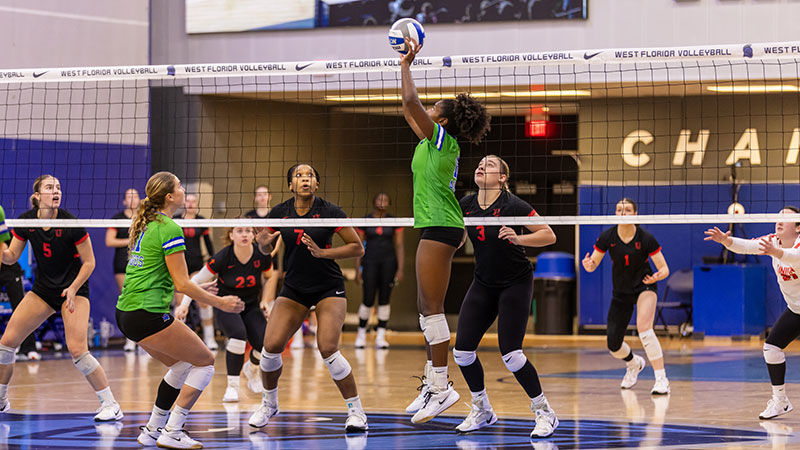
This is your opportunity to compete at the Division I level while earning a personalized, world-class education. Join a program on the rise, be part of a historic transition and help define the next era of Argonaut athletics.
Frequently Asked Questions
What does the Division I transition mean for students, athletics programs, facilities and the broader UWF community? The following frequently asked questions provide key details about the transition timeline, student-athlete experience and what to expect in the coming seasons.
When will UWF officially move to Division I?
The Board of Trustees voted on UWF’s transition to the Atlantic Sun Conference / United Athletic Conference on April 2, 2026 at a special BOT meeting. UWF will begin the transition process immediately, with full Division I competition beginning in Fall 2026.
Why is UWF making this move now?
This decision reflects who we've become and the trajectory we're on. The University is experiencing unprecedented momentum across enrollment, research, academic quality and regional impact. Division I athletics amplifies everything UWF already does exceptionally well while enhancing the complete college experience for our students.
How will this change campus life for current students?
Students will experience enhanced school spirit, more vibrant game day traditions, increased national visibility, and the energy that comes with Division I competition. The personalized educational experience that defines UWF – small classes, faculty who know your name – will not change.
What conference will UWF join?
For all sports except football, UWF will join the Atlantic Sun Conference, competing alongside established programs like Jacksonville University, Lipscomb University and Florida Gulf Coast University. For football, UWF will compete in the United Athletic Conference at the Football Championship Subdivision level, joining programs such as North Alabama, Austin Peay and Eastern Kentucky. This dual-conference structure is common in Division I athletics, allowing UWF to compete at the highest level across all sports while maintaining strong regional rivalries and manageable travel for student-athletes.
Will all UWF sports move to Division I?
Yes. When UWF transitions to Division I, all varsity athletic programs will compete at the Division I level.
Why is conference membership important for Division I athletics?
Conference membership is essential for sustained success at the Division I level. Conferences provide critical infrastructure that independent programs lack: guaranteed schedules with travel partners in similar geographic regions, access to conference television and media deals that increase visibility and revenue, automatic pathways to postseason competition through conference championships, and shared resources for officiating, compliance and student-athlete support.
Schools competing as independents face significant challenges: finding opponents willing to schedule games, managing travel costs across greater distances, and lacking the built-in rivalries that energize fan bases. UWF’s membership in the ASUN Conference and United Athletic Conference provides stability, competitive balance and the resources necessary to compete effectively while managing costs responsibly. Conference affiliation also enhances recruiting, as student-athletes are drawn to the structured competition, rivalry games and championship opportunities that conference membership delivers.
Who will UWF compete against?
UWF will compete against Division I programs, including conference opponents and non-conference matchups with nationally recognized universities. Specific scheduling details will be announced as the transition progresses.
What about our current student-athletes?
Current student-athletes will have the opportunity to compete at the Division I level during their time at UWF. Recruited athletes will be told they'll be competing in Division I, which strengthens our recruiting efforts.
How will Division I athletics benefit the Pensacola region?
The Division I transition creates significant economic impact for Northwest Florida beyond the University itself. Division I athletics dramatically increases regional visibility. Televised games, national media coverage and enhanced digital presence put Pensacola on the map for prospective students, businesses and visitors nationwide. Home game attendance drives substantial spending at local hotels, restaurants and retail establishments, with visiting teams, fans and families generating revenue throughout the community.
Division I status also opens partnership opportunities with businesses seeking brand association with high-profile athletics, from sponsorships to corporate suites to regional advertising collaborations. Other transitioning universities have demonstrated that the expanded reach and awareness from Division I athletics benefits the entire region by attracting more students who contribute to the local economy, engaging alumni who return for games and events, and positioning the area as a destination for tournaments and championship events. UWF's rise elevates the entire Pensacola community, reinforcing our role as a regional economic and cultural catalyst.
What’s the expected return on investment?
Division I athletics increases the visibility of the University, which can support student recruitment and contribute to growth in applications and enrollment. Athletics often serves as a “front porch” for prospective students and families, creating greater awareness of the University and its academic programs. Increased competition at the Division I level can also drive local economic activity through game attendance, events and visitors to the region.
Division I programs also tend to generate stronger engagement from alumni, donors and corporate partners. Universities often see growth in sponsorships, philanthropy and athletics-related fundraising once they compete at this level. Over time, Division I membership can help expand the University’s national reach and strengthen its long-term reputation among peer institutions.
How can I support the Division I transition financially?
The Division I transition represents an opportunity to invest in UWF's future visibility, student experience, and regional impact. For information about giving opportunities and ways to support UWF athletics, contact University Advancement or visit uwf.edu/give. To support the DI transition and Argonaut Athletics, give to Athletics Excellence.
Have major donors committed to supporting this move?
Yes, major donors have demonstrated strong support for UWF's Division I transition, recognizing this as a pivotal investment in the University's future. Darrell Gooden has made a transformational gift that will name our new stadium, reflecting his commitment to UWF athletics and his vision for what this move means for student-athletes, the campus community and Northwest Florida. Donor support has been instrumental in making this transition possible, and we're grateful for the generosity of alumni and friends who believe in UWF's competitive spirit and institutional momentum. For information about supporting the Division I transition, contact University Advancement.
Are naming opportunities available?
Yes, there are additional naming opportunities at various investment levels throughout our athletic facilities, including specialized spaces like the strength and conditioning center, training facilities, suites and other key areas. These opportunities allow donors to leave a lasting legacy while supporting UWF's Division I transition. For specific opportunities and investment levels, please contact Brett Berg at bberg@uwf.edu or Justin Bennett at tbennett2@uwf.edu.
Why couldn’t UWF stay in Division II?
The competitive landscape is changing. Division II presents increasing challenges for scheduling quality opponents and recruiting top student-athletes who want to compete at the highest level. This is a natural progression for an athletic program that has consistently competed above its class size. We are aligning our competitive level with our facilities, momentum and institutional ambitions.
Will this require cuts to other programs or departments?
The transition to Division I will not require cuts to any of our current athletics programs. UWF remains committed to supporting all of its teams and providing student-athletes with the resources and opportunities needed to succeed both competitively and academically. Competing at the Division I level will also enhance the visibility of our entire athletics program, creating new opportunities for recognition, recruiting and engagement for all sports.
How will UWF compete against established Division I programs?
The transition to Division I represents a shift in competition level, and we're realistic about the challenges. UWF has consistently competed above our class size in Division II, winning championships and earning national recognition, which demonstrates the foundation we're building from.
During the transition period, we'll face tougher competition as we adjust to Division I play, and our win-loss record may reflect that learning curve. This move isn't about maintaining a perfect record; it's about positioning UWF for long-term success. Our new stadium, proven coaching excellence, enhanced recruiting capabilities and the complete educational experience we offer student-athletes creates the conditions for sustained competitive success. Schools like North Dakota State and James Madison have shown that programs can transition successfully and compete for championships at the FCS level.
We're playing the long game, building a program that will represent UWF with pride, compete with determination, and create the campus energy and national visibility that benefits every student. Our unrelenting competitive spirit means we measure success in how we represent our University and prepare student-athletes for life after college.
What is the transition process to Division I?
UWF will undergo a three-year reclassification process as we transition from Division II to Division I. The NCAA recently streamlined this process in January 2025, reducing it from four years to three years for schools that meet specific benchmarks.
How will the postseason ineligibility affect our student-athletes and recruiting?
The transition period presents both challenges and opportunities. Our student-athletes will compete knowing they are building a foundation for future teams, which requires resilience and long-term vision. However, we are addressing this reality head-on by emphasizing what remains available: competing against Division I opponents, developing in top-tier facilities, receiving a world-class education, and being part of something historic. We are recruiting student-athletes who want to be pioneers. Schools like North Dakota State and James Madison faced similar transitions and emerged as championship contenders. Our coaches are selling a compelling vision: be part of the team that establishes UWF as a Division I program, compete immediately at the highest level, and leave a legacy that future Argonauts will build upon.
Will UWF teams be able to compete in conference tournaments during the transition?
During the transition period, UWF teams will compete at the Division I level but will not be eligible for NCAA postseason tournaments or championships. This includes events such as NCAA tournaments, bowl games, or automatic conference championship bids tied to NCAA postseason play. However, UWF teams will be fully eligible to compete in ASUN Conference and UAC championships, providing meaningful opportunities each season to compete for conference titles and continue building championship traditions. Full NCAA postseason eligibility will begin in Fall 2029, once UWF completes the transition requirements and achieves active Division I membership status.
Road to Division 1

UWF Athletics announces move to NCAA Division I athletics, joins Atlantic Sun Conference, United Athletic Conference
The University of West Florida announced in a press conference today that it will be transitioning its athletics programs to the NCAA Division I level. Beginning in Fall 2026, UWF will compete in the Atlantic Sun Conference as a full multi-sport member and the United Athletic Conference as a football-playing member.

UWF breaks ground on Darrell Gooden Stadium
The University of West Florida reached a historic milestone on Feb. 11, 2026, officially breaking ground on the Darrell Gooden Stadium, a multi-use football and events facility that represents UWF’s growth and a significant investment in the community.

UWF awarded $2 Million TDC grant toward Darrell Gooden Stadium
The University of West Florida has been awarded a $2 million grant from the Tourist Development Council through the Tourist Development Tax program to support the construction of the future Darrell Gooden Stadium, pending approval from the Escambia County Board of County Commissioners. This grant represents a significant milestone in the University's plan to build a transformative facility that will benefit both the UWF campus and the greater Escambia County community.