


Communication

University of West Florida Communication students learn to shape narratives, drive engagement, and foster meaningful connections. Combining award-winning faculty with hands-on learning, client-based projects, and internship opportunities, the Department of Communication prepares graduates to thrive in today’s dynamic communication landscape.
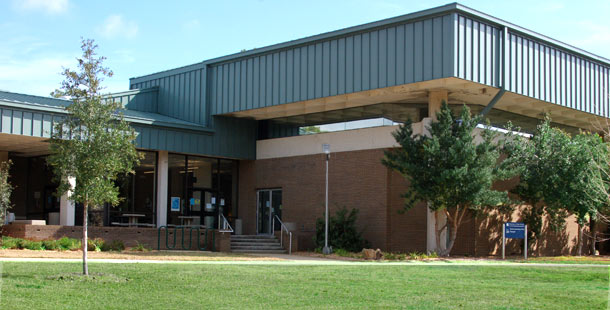
At the University of West Florida, Communication is more than a degree—it’s a launchpad for creativity, collaboration, and career success. Our curriculum reflects the integrated nature of the modern communication workplace, blending academic theory with professional practice through immersive learning environments.
Students gain real-world experience in our production and podcast studios, video editing bays, and social media lab. Through class projects, internships, and community partnerships, they apply their skills to authentic challenges that build confidence and career-ready portfolios.
Our faculty are active scholars and professionals who mentor students in critical thinking, ethical decision-making, and compelling storytelling. From crafting persuasive campaigns to analyzing media trends, our graduates enter the workforce ready to adapt, lead, and make an impact.
Programs
The Department of Communication offers degree programs designed to meet the needs of today’s media-driven world.
Undergraduate Programs
The Jerry Louis Maygarden Undergraduate Communication Program offers a blend of academic theory, project-oriented classroom assignments, and hands-on experience to help you become a skilled professional. You will develop communication skills with personable instructors who foster a supportive climate while emphasizing quality work and high standards.
You will choose a curriculum that best suits your interests and career goals by mixing and matching courses from three concentrations of study: Advertising, Public Relations, and Social Media; Communication; and Digital Storytelling and Journalism.
Students can also gain a Communication minor in Leadership Communication or Strategic Communication for the Sciences.
Undergraduate Students can enhance their studies with an undergraduate certificate in Social Media Communication and elective courses that align with individual interests and professional goals.
Graduate Programs
For Graduate Students, our Strategic Communication & Leadership, M.A. develops advanced communication and leadership skills for professionals across industries. Graduate students explore topics such as collaborative leadership, effective listening, ethical practice, data-driven strategy, and innovative message design.
We also offer Graduate Certificates in Health Leadership Communication, Executive Communication, and Social Media for Public Relations and Advertising, providing focused expertise in key industry areas.
Career Opportunities
Graduates of UWF’s Department of Communication pursue diverse and rewarding careers in fields such as:
- Public relations and strategic communication
- Advertising and brand management
- Journalism and multimedia storytelling
- Social media management and digital marketing
- Film, television and podcast production
- Corporate and nonprofit communication
- Event planning and community relations
- Crisis communication and public affairs
Whether you aspire to work behind the camera, in front of the microphone or in the boardroom, UWF’s Department of Communication equips you with the skills and experience to make your mark in an ever-evolving media landscape.
Will Condon, UWF Alumnus ’10 & ’16
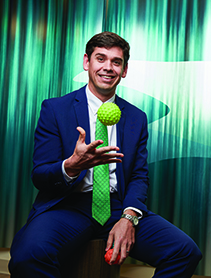
Will Condon, President of the Studer Family Children's Hospital at Ascension Sacred Heart
From Will’s perspective, his rapid climb up the corporate ladder to the corner office was less about what he envisioned. It’s a story about all the people who saw something bigger in him—that in all humility and honesty—he simply did not see.
Not a big surprise to a significant number of people who know him, Will is in a new role. He has taken on a new challenge. You see, Will’s career has been on a steep trajectory. In ten short years, he went from the Marketing Communications Department at Ascension Sacred Heart to President of the Studer Family Children’s Hospital at Ascension Sacred Heart. But he didn’t do it alone. He is the first to acknowledge that his journey is rich with people who saw something in him, something he didn’t recognize. From family members and colleagues to classmates and professors at UWF, these folks helped to steer him in the right direction and to greater places for him and his family.
Department Highlights
The Department of Communication offers degree programs designed to meet the needs of today’s media-driven world and real-world experience in our production and podcast studios, video editing bays, and social media lab. Through class projects, internships, and community partnerships, students apply their skills to authentic challenges that build confidence and career-ready portfolios.

The UWF Speech and Debate team not only participates in various state, regional, and national events, but also hosts competitions on campus. Learn more about the UWF Speech & Debate.
Speech and Debate

Social media is a growing sector in the communication industry. Engage in hands-on, high-impact practices and build professional portfolios while working with real-world clients. Learn more about the Social Media Communication Undergraduate Certificate.
Social Media Communication Undergraduate Certificate.png)
Learn more about our student-led newspaper, maintained by the Department of Communication. The publication celebrates more than 50 years of student journalism.
The Voyager.png)
Learn more about ClubAd, a member of the American Advertising Federation, the oldest national advertising trade association. ClubAd at UWF is one of the 226 college chapters of the AAF.
Club Ad
