
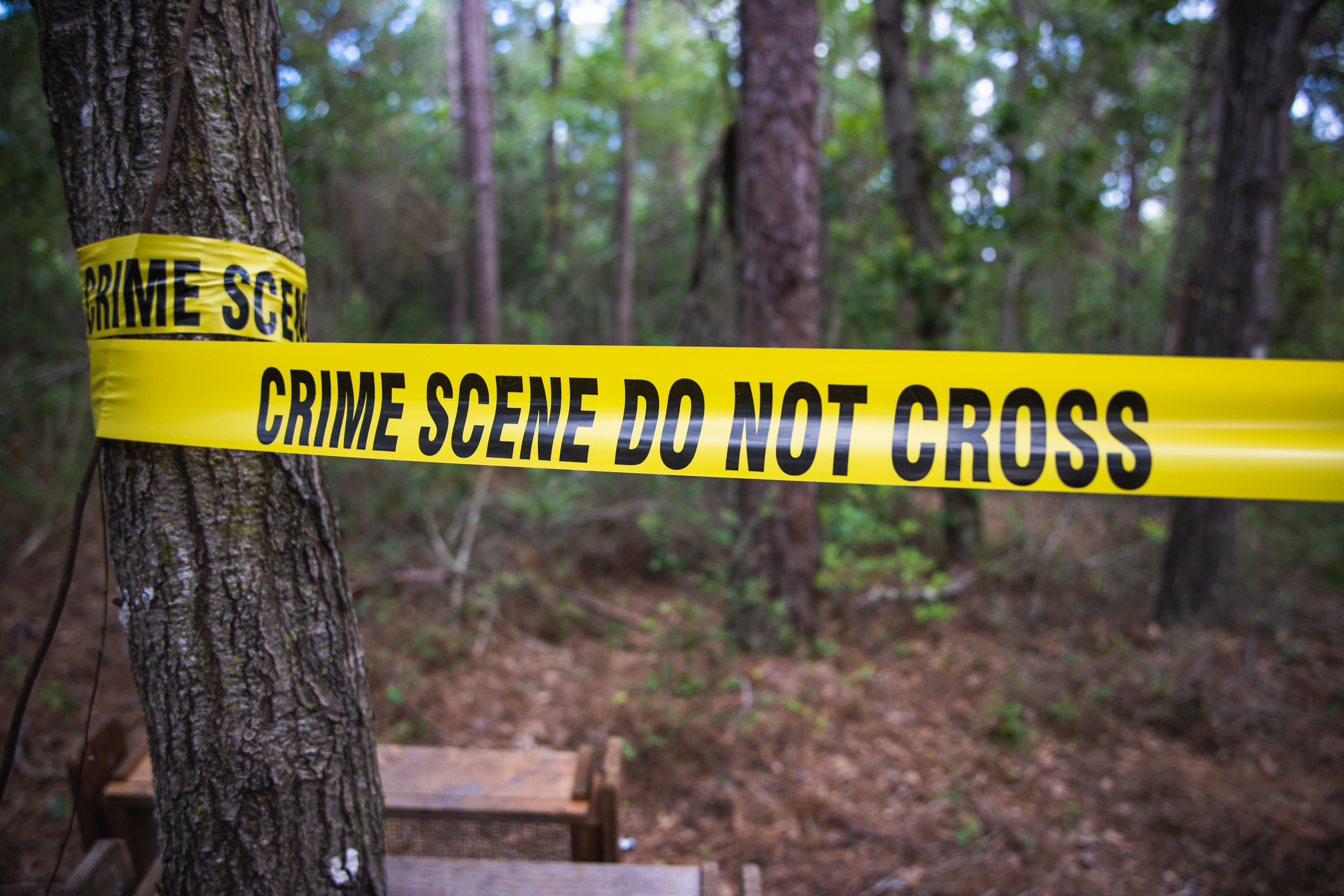
Forensic Anthropology Field School: This summer's only five-week school in the nation
July 16, 2021 | Brandy Gottlieb, CASSH Communications, contributions by faculty
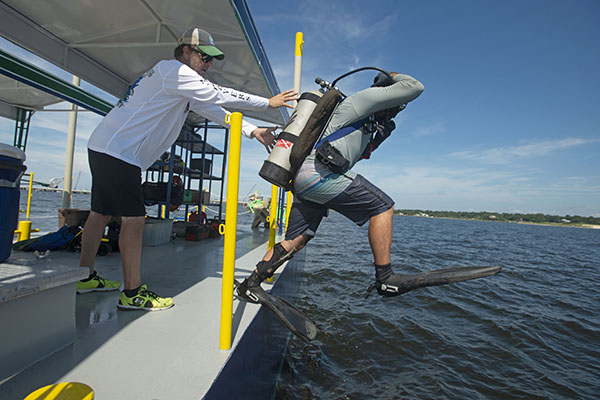
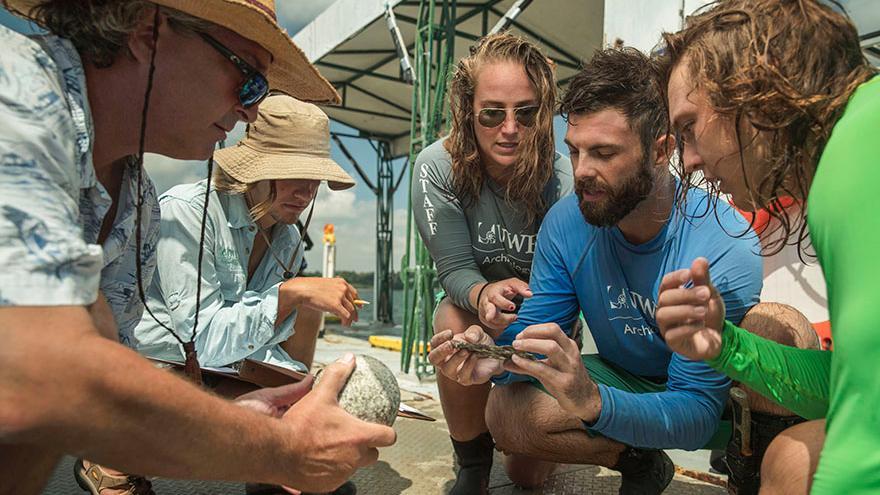
University of West Florida is the only institution in the nation offering a five-week forensic anthropology field school. The major goal of the five-week field school was to train students in standard forensic methods for the discovery, documentation, and recovery of human skeletal remains.