


Hal Marcus College of Science and Engineering (HMCSE) at the University of West Florida provides innovative and inclusive programs of excellence in education, research, and public and professional service at both the undergraduate and graduate levels. We aim to produce a highly competitive and diverse group of graduates as judged by the highest academic standards in the fields of science, technology, engineering, and mathematics (STEM). Get involved and take advantage of the many initiatives offered for your success.

Hal Marcus College of Science and Engineering
Welcome to the Hal Marcus College of Science and Engineering (HMCSE)!
We are so glad you chose a major within the college. The faculty and staff at HMCSE are committed to offering you a solid education and helping you along the way. We created various support programs to ensure your success such as free tutoring, review sessions, and peer mentoring. The college has a strong culture of student-led research and hands-on learning such as the Summer Undergraduate Research Program and the industry internships and co-ops. Please get to know your department and your peers and remember that we are here to help. Your success is our top priority.
Mohamed Khabou, Dean
Centers
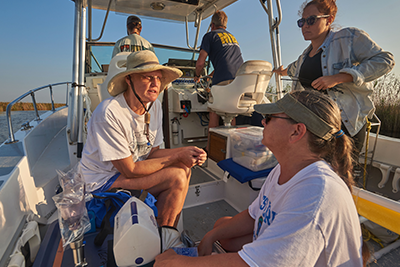
CEDB reflects a fundamental emphasis on modern biological research as applied to environmental systems and provides a vital program of research and education.

More than a Map: Geographic Information helps us answer the question "Where?" The GeoData Center is here, guiding UWF students, faculty and staff through the geo-spatial technologies changing the way we view the world.

The Institute for Analytics and Industry Advancement strives to train the next generation of industry pioneers and to develop innovative technologies through predictive analytics and modeling.
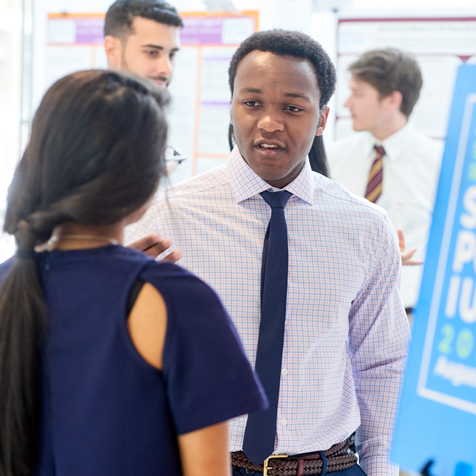
SURP Symposium
The Summer Undergraduate Research Program (SURP) allows students to fully invest in the research experience for the summer semester culminating in a presentation event on August 11.
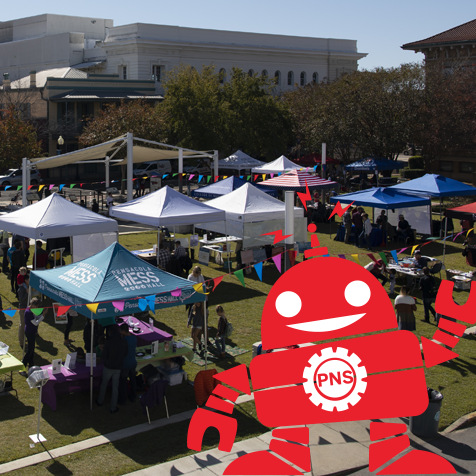
Pensacola Maker Faire
The Greatest Show (& Tell) on Earth - a family-friendly showcase of invention, creativity, and resourcefulness will be here again in November! Are you a Maker? Do you want to present or just attend? Either way, you don't want to miss this fun hands-on event in downtown Pensacola.



Hal Marcus College of Science and Engineering News
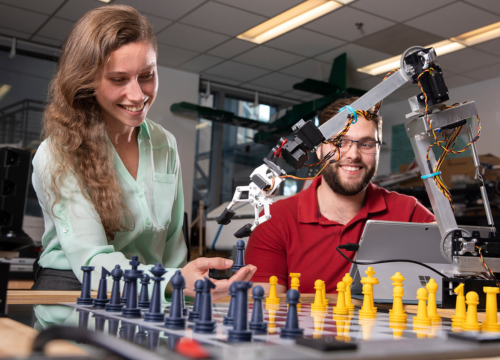
University of West Florida memorial scholarship created to honor UWF alumnus
A $150,000 gift to the University of West Florida from the late Ann Fell established the David Gus Fell Memorial Scholarship Endowment, which will benefit undergraduate engineering majors in UWF’s Hal Marcus College of Science and Engineering.
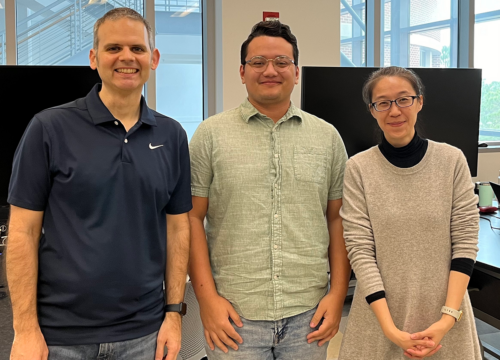
UWF team places in top 5 in national data science competition
A University of West Florida team placed fifth against teams including Yale University, Dartmouth College and others at a national competition held by the University of South Carolina. The USC National Big Data Health Science Student Case Competition was held Jan. 26-28. UWF graduate students Gail Han and Jason Gerstenberger and UWF undergraduate student Dylan Wright worked for more than 24 hours to solve a healthcare data science challenge. The team, “Data Detectives,” was guided by faculty members Dr. Achraf Cohen and Dr. Shusen Pu, who work in UWF’s Department of Mathematics and Statistics.
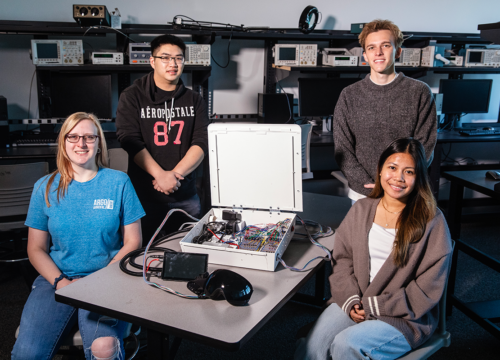
UWF faculty and students develop goggles for early detection of Alzheimer’s Disease
University of West Florida faculty and undergraduate students recently developed Pulsed Medical LED goggles for the early detection of Alzheimer’s Disease. The product was researched and designed through a partnership between the Department of Psychology, Department of Physics and Dr. Muhammad Harunur Rashid Department of Electrical and Computer Engineering at UWF.
Hal Marcus College of Science and Engineering
11000 University Parkway
Building 4, Room 423
Pensacola, FL 32514